There's a version of AV integration where the goal is simple: make the technology visible, functional, and impressive. A boardroom video wall. A conference room touch panel. You want people to notice the system and be impressed by it.
Themed entertainment is the opposite. The goal is for guests to never think about the AV system at all. If a visitor at a museum exhibit, a themed attraction, or a resort experience is consciously aware of the projector, the speaker array, or the show control system, something has gone wrong. The technology's entire job is to disappear into the story.
We've spent years supporting resort properties across Orlando's hospitality corridor, Kennedy Space Center, museum exhibits, and immersive VR venues. Here's what that work has taught us about the difference between AV that functions and AV that disappears.
The System Has No Operator
In a corporate conference room, if something glitches, someone in the room can usually fix it or call IT. In themed entertainment, that's rarely an option. A show control system running a themed queue experience, an interactive museum exhibit, or a resort's ambient audio program runs unattended, thousands of times a day, with no one standing by to reboot anything.
That changes how you design from day one. Redundant playback paths. Automated startup and shutdown sequences. Systems that fail gracefully — dimming to a safe state instead of freezing mid-cue — rather than catastrophically. When we design for a themed attraction or exhibit, we're designing for the version of the system that has to run correctly at 11 PM on a Tuesday with nobody watching, not just the version that gets demoed on opening day.
The Show Must Go On, Literally
Resort properties don't close for maintenance windows the way a corporate office does. A hotel ballroom has a wedding at 6 PM whether or not the AV vendor finished testing. A themed attraction has a queue of guests whether or not last night's software update went smoothly. This is the single biggest mindset shift between commercial AV and hospitality or themed entertainment AV: uptime isn't a nice-to-have, it's the entire value proposition.
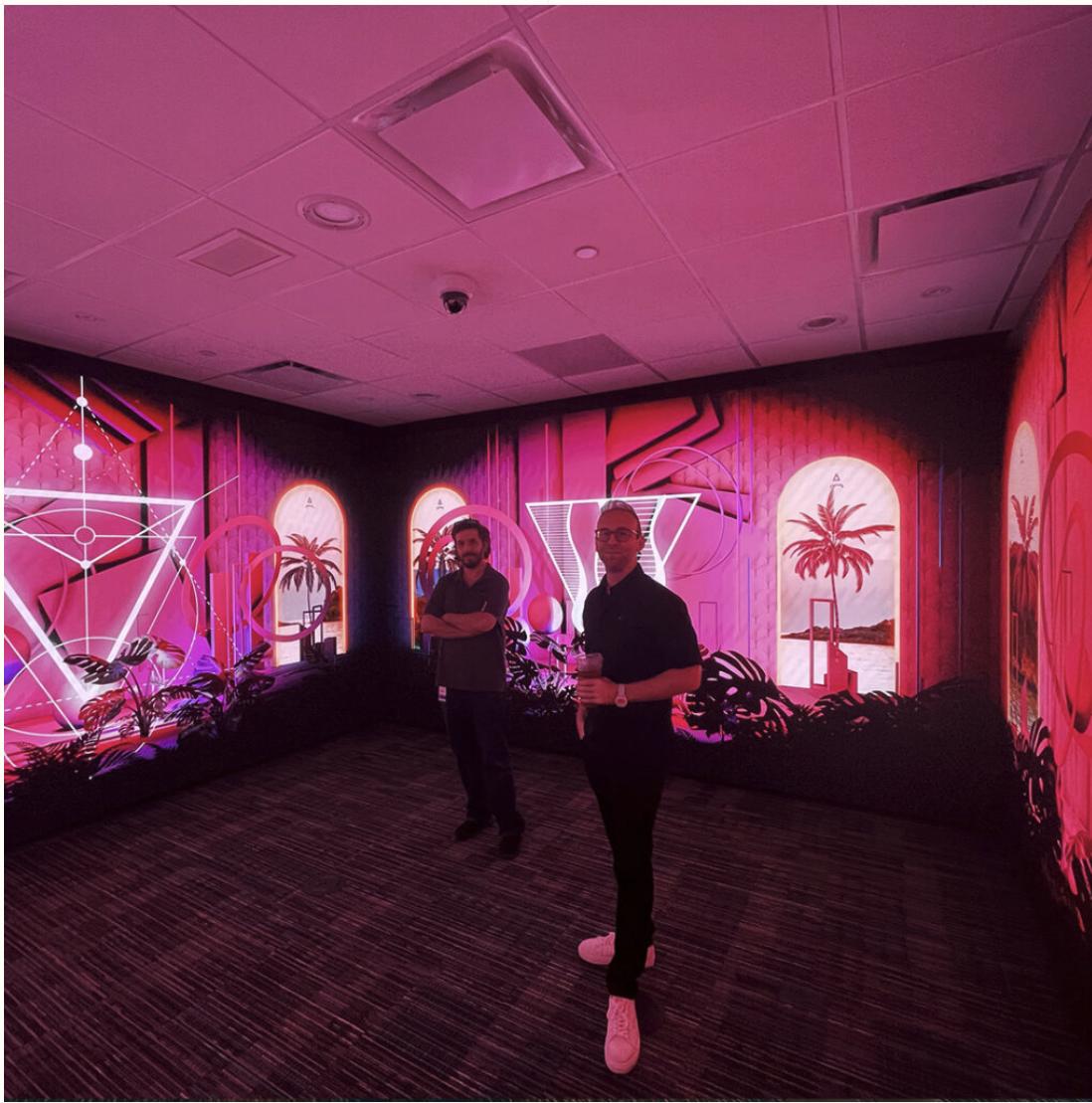
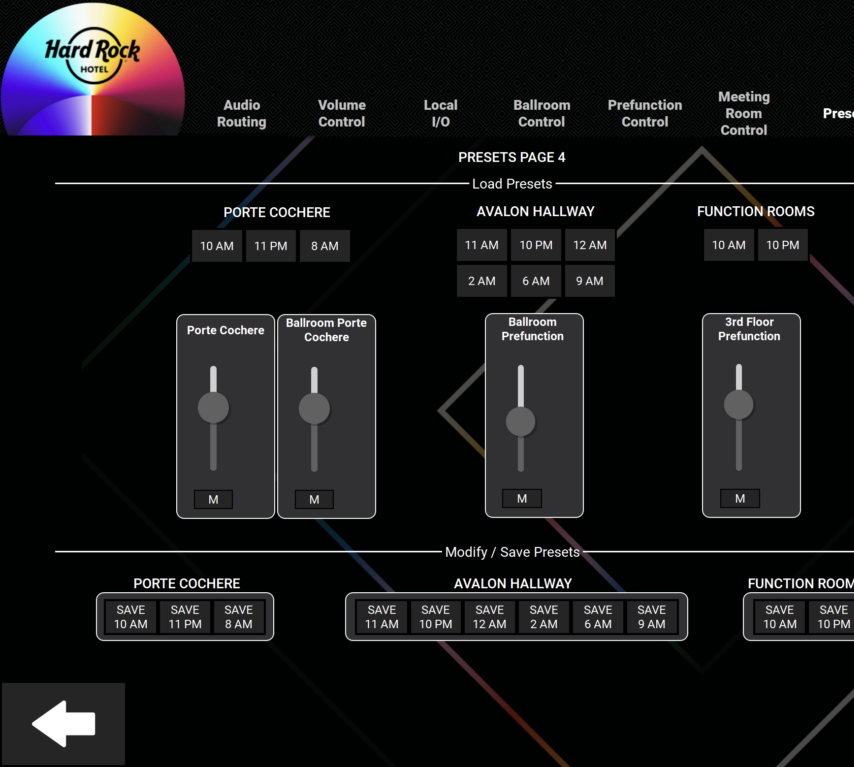
Supporting Universal Orlando's resort portfolio taught us this in the most direct way possible. When Hard Rock Hotel's lobby video wall or Royal Pacific's zoned audio system goes down, it's not an IT ticket, it's a guest experience failure happening in real time, in front of people who paid to be there. That's why our helpdesk model exists the way it does. remote diagnostics and proactive monitoring aren't add-ons for these properties, they're the baseline expectation.
Content Has to Match the Geometry
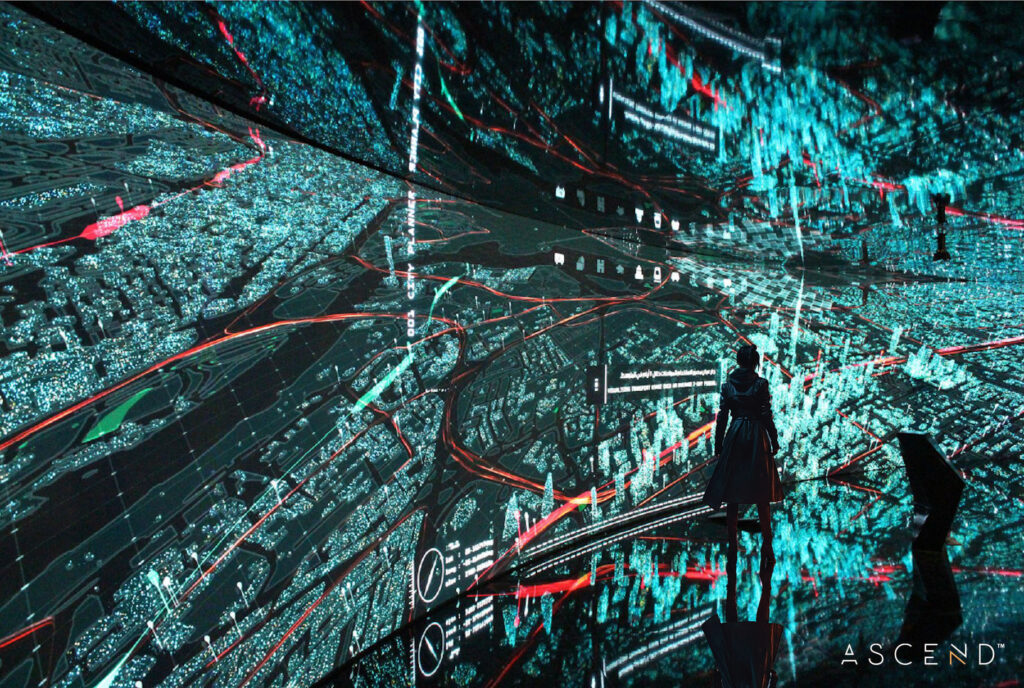
This is the mistake we see most often when a themed environment doesn't land: content designed for a flat screen, dropped into a curved, wraparound, or otherwise non-standard display surface. A 360° LED environment, a projection-mapped surface, or an immersive exhibit wall isn't a bigger TV. It has geometry, and content has to be built for that geometry from the start, not adapted afterward.
We work through this at the design phase, before a single panel goes up. How does content wrap around a curved wall? Where does the seam fall, and how do we hide it? Does spatial audio need to track visual movement across multiple surfaces so a sound source feels like it's actually where the visual says it is? These are questions that get answered in planning, not fixed in the field.

Interactivity Raises the Stakes
A static display is forgiving. If it's a few seconds late loading a frame, most people won't notice. An interactive exhibit or VR-integrated environment has no such margin. When a sensor-driven installation responds to a visitor's movement, or a physical space has to stay synchronized with a VR headset's tracking, latency and reliability aren't abstract engineering concerns, they're the entire experience.
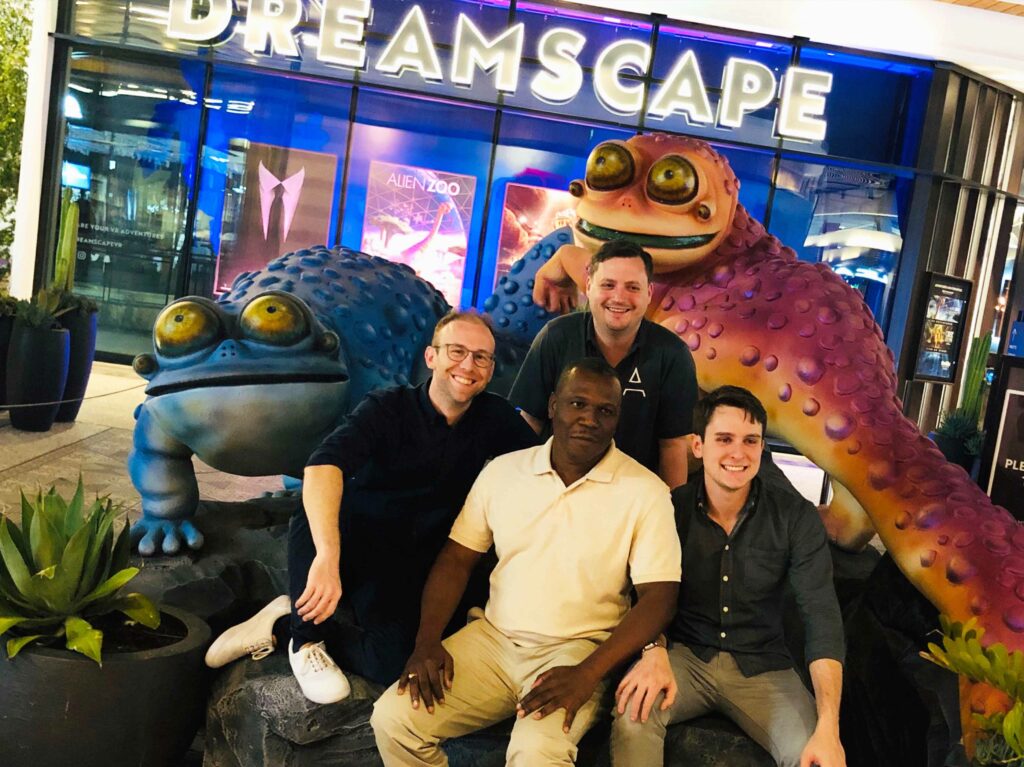
Our work supporting VR venue infrastructure across multiple Dreamscape locations reinforced this. The physical AV systems — environmental audio, synchronized lighting, tracking infrastructure — have to be invisible and instantaneous at the same time. Guests need to feel present in a virtual environment, and any lag or mismatch between the physical and virtual layers breaks that immersion instantly.
"The best exhibit technology is invisible. The experience is everything."
Why This Matters If You're Evaluating an AV Partner
If you're a museum director, a themed attraction operator, or a resort property manager evaluating AV integrators, the question worth asking isn't just "can you install this system." It's "have you supported a system like this after it's been running for years, unattended, at scale." Themed entertainment and resort AV is a maintenance discipline as much as an installation discipline.
We've maintained exhibits and resort systems running continuously for years without a single visitor-impacting failure. That's not an accident. it's a combination of design decisions made up front and an ongoing support relationship that catches problems before guests ever notice them.
- Design for unattended operation — redundancy, automated recovery, graceful failure states
- Design for the actual geometry — content and audio built for the space, not adapted to it afterward
- Design for guest-facing uptime — remote monitoring and 24/7 support as the baseline, not the upsell
- Design with the experience team, not around them — reading a narrative brief and translating it into AV specs, not the other way around
If you're building or maintaining a themed environment, museum exhibit, or resort experience and need a technical partner who's done this work at scale, take a look at what we build or let's talk about your space.